Contents
- 1 Introduction to Anta to Osananajimi
- 2 Overview of the Story
- 3 The Meaning Behind the Childhood Friend Trope
- 4 Main Characters and Their Development
- 5 Themes That Define the Series
- 6 Art Style and Visual Storytelling
- 7 Why Readers Discover It on Mangabuddy
- 8 Emotional Appeal and Reader Connection
- 9 Cultural Elements and School-Life Atmosphere
- 10 What Makes the Manga Stand Out
- 11 Final Thoughts
Introduction to Anta to Osananajimi
Romance manga has long explored the emotional complexity of friendships that evolve into something deeper, and Anta to Osananajimi stands as a strong example of how this classic theme can still feel fresh and engaging. Gaining popularity among online manga readers, especially those discovering it through Mangabuddy, the series combines humor, heartfelt storytelling, and realistic character growth. Rather than relying only on dramatic twists, the manga focuses on emotional authenticity, making readers feel connected to the characters’ everyday struggles and quiet moments of realization.
The story resonates with audiences because it reflects experiences many people understand: growing up alongside someone, assuming your relationship will never change, and then suddenly realizing that feelings are no longer as simple as they once were. This emotional shift forms the foundation of the manga’s narrative and drives its appeal.
Overview of the Story
At the center of Anta to Osananajimi is the relationship between two childhood friends who have spent most of their lives together. From shared walks to school to casual arguments that only close friends can have, their bond feels natural and deeply rooted in years of familiarity. The story begins during their high school years, a period often portrayed in manga as a turning point for identity, relationships, and emotional discovery.
As new classmates, social pressures, and personal ambitions enter their lives, the comfort of their long-standing friendship begins to change. Small moments—jealous reactions, awkward silences, and unexpected emotional vulnerability—start to reveal feelings neither character fully understands at first. The narrative develops slowly, allowing readers to witness how affection grows organically rather than appearing suddenly.
The manga avoids rushing romantic developments. Instead, it focuses on gradual emotional tension, showing how both characters struggle to protect their friendship while confronting the possibility of love. This balance between hesitation and longing gives the story a relatable and realistic tone.
The Meaning Behind the Childhood Friend Trope
The childhood friend trope is common in romance manga, yet Anta to Osananajimi approaches it with nuance. Rather than presenting the relationship as guaranteed romance, the series explores uncertainty. Years of familiarity create comfort, but they also create fear. Both characters worry that confessing their feelings could destroy what they already have.
This emotional conflict becomes one of the manga’s strongest themes. Readers see how shared history shapes communication styles, expectations, and misunderstandings. Because the characters already know each other’s strengths and weaknesses, even small emotional changes feel significant. The story highlights how growing up together can blur the line between friendship and romantic attachment.
By focusing on emotional realism instead of predictable outcomes, the manga keeps readers invested in whether the characters will move forward together or remain trapped in emotional hesitation.
Main Characters and Their Development
The strength of Anta to Osananajimi lies largely in its character writing. The protagonists are not idealized figures but individuals dealing with insecurity, pride, and confusion. The male lead is often portrayed as someone who takes comfort in routine and struggles to express emotions openly. His reliance on humor and casual behavior hides deeper feelings he finds difficult to confront.
The female lead, meanwhile, balances confidence with emotional vulnerability. Having grown accustomed to their long friendship, she initially treats their bond as something permanent and unchanging. However, as others begin to notice their closeness and question its nature, she becomes more aware of her own emotions. Her internal conflict between maintaining normalcy and acknowledging her feelings creates some of the manga’s most touching moments.
Supporting characters also play an important role in shaping the narrative. Friends, classmates, and potential romantic rivals introduce outside perspectives that challenge the protagonists’ assumptions. These characters do more than create drama; they act as mirrors that help the main pair understand their own emotions.
Themes That Define the Series
One of the central themes of Anta to Osananajimi is emotional growth. The story shows that relationships evolve alongside personal maturity. As the characters face academic pressure, social expectations, and personal dreams, they begin to see each other in new ways.
Another important theme is communication. Much of the story’s tension comes from things left unsaid. The manga explores how people often avoid honest conversations out of fear of change. Silence becomes both a comfort and a barrier, emphasizing how difficult it can be to express genuine feelings to someone who matters deeply.
Nostalgia also plays a major role. Flashbacks to childhood memories remind readers of the innocence that once defined the characters’ relationship. These moments contrast with present-day emotional complexity, highlighting how time transforms even the closest bonds.
Art Style and Visual Storytelling
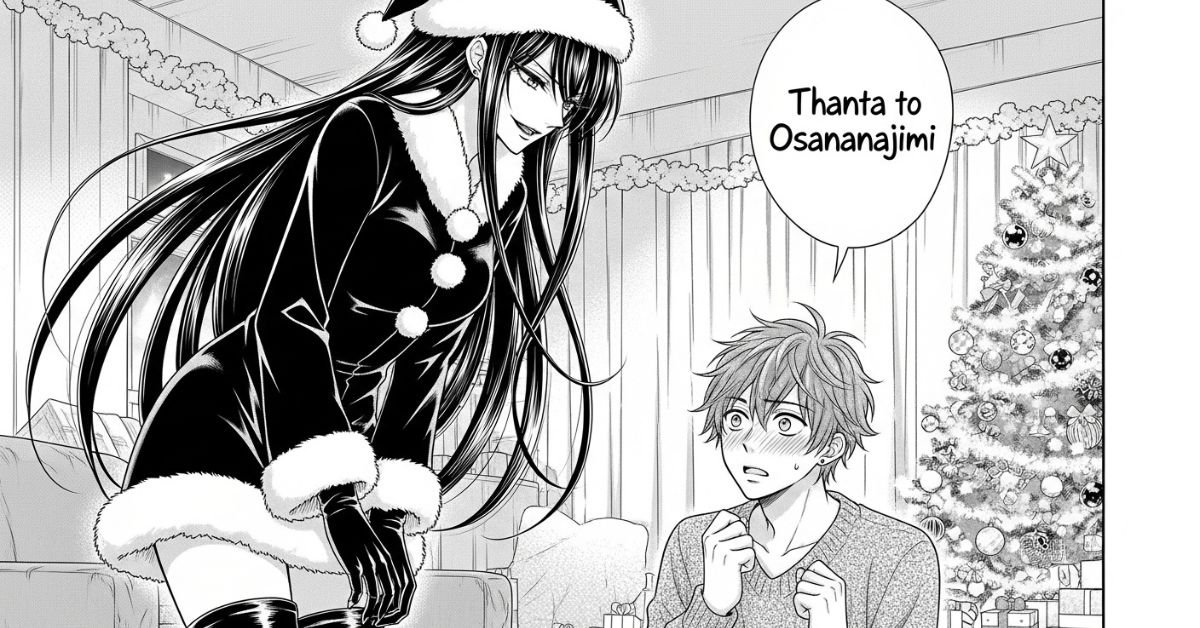
The artwork of Anta to Osananajimi contributes significantly to its emotional impact. Facial expressions are carefully illustrated to capture subtle reactions—embarrassment, hesitation, or quiet happiness. Rather than relying heavily on exaggerated comedic visuals, the art emphasizes realism and emotional nuance.
Panel composition often slows the pacing during meaningful scenes, allowing readers to focus on small gestures such as eye contact or body language. Backgrounds frequently reflect mood, using seasonal imagery like sunsets, school corridors, or quiet streets to reinforce emotional atmosphere.
This visual storytelling approach enhances the romantic tension, making even simple interactions feel meaningful. Readers are encouraged to interpret emotions through imagery as much as dialogue.
Why Readers Discover It on Mangabuddy
Online manga platforms have played a major role in expanding the series’ reach, and many readers encounter Anta to Osananajimi through Mangabuddy. Digital accessibility allows international audiences to explore titles that might otherwise remain limited to regional publication.
The convenience of reading chapters online encourages ongoing engagement, allowing fans to follow character development week by week. Discussion communities built around these platforms also contribute to the manga’s popularity, as readers share theories, favorite moments, and emotional reactions after each chapter release.
This shared reading experience strengthens the emotional connection fans feel toward the story, turning individual reading into a collective journey.
Emotional Appeal and Reader Connection
What truly sets Anta to Osananajimi apart is its emotional sincerity. The manga avoids overly dramatic storytelling in favor of quiet realism. Many scenes revolve around ordinary activities—walking home from school, studying together, or casual conversations—but these moments carry emotional weight because of the characters’ shared history.
Readers often find themselves reflecting on their own friendships and past experiences while reading. The story captures the universal fear of losing something precious while simultaneously wanting it to grow into something more meaningful.
This relatability explains why the series attracts both long-time manga fans and newcomers to the romance genre.
Cultural Elements and School-Life Atmosphere
Like many slice-of-life romance manga, the setting plays an important role in shaping the narrative. School festivals, classroom interactions, and seasonal events provide natural opportunities for emotional turning points. These cultural elements ground the story in everyday experiences while allowing romantic tension to develop gradually.
The manga also subtly explores themes of youth and transition. High school serves as a symbolic space where characters stand between childhood and adulthood. Decisions made during this time feel especially significant, reinforcing the emotional stakes of their evolving relationship.
What Makes the Manga Stand Out
While many romance manga feature childhood friends, Anta to Osananajimi distinguishes itself through pacing and emotional realism. The story respects the complexity of long-term relationships, showing that love is not always immediate or obvious. Instead, it grows through shared experiences, misunderstandings, and moments of self-awareness.
The characters are allowed to make mistakes and learn from them, creating a sense of authenticity that keeps readers invested. Humor is used carefully to balance emotional tension, preventing the story from becoming overly heavy while still maintaining depth.
Read Also! My Bias Gets on the Last Train – Mangabuddy
Read Also! My Girlfriend Is a Wicked Lady Chapter 1 – Full Overview and Analysis
Final Thoughts
Anta to Osananajimi offers a heartfelt exploration of friendship, love, and personal growth. Through realistic character development, thoughtful storytelling, and expressive artwork, the manga captures the delicate moment when lifelong friendship begins to transform into something deeper. Its popularity among online readers reflects its universal themes and emotional accessibility.
For readers searching for a romance story that values subtlety over spectacle, this manga provides an experience that feels both comforting and emotionally engaging. Whether discovered through Mangabuddy or recommended by fellow fans, Anta to Osananajimi stands as a reminder that sometimes the most meaningful love stories begin with the simplest connections—two people growing up together and slowly realizing that their bond has always meant more than they understood.