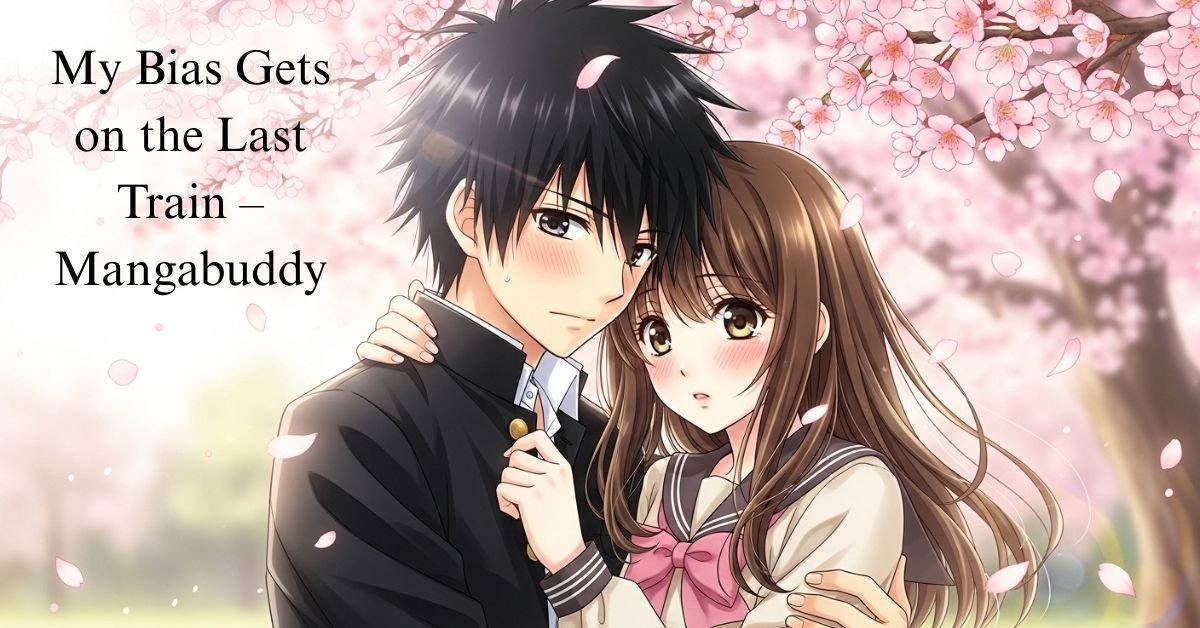
In recent years, romance and slice-of-life manga have gained massive popularity among readers who want something emotional, realistic, and deeply relatable. Among these stories, “My Bias Gets on the Last Train” stands out as a refreshing and heartfelt manga that blends fandom culture, chance encounters, and quiet romance into a compelling narrative. Readers often discover this title through platforms like Mangabuddy, where it has steadily gained attention for its simple yet powerful storytelling.
This manga is not about grand fantasy worlds or intense action battles. Instead, it focuses on everyday moments, subtle emotions, and the magic that can happen when ordinary lives unexpectedly intersect. That is exactly what makes it special.
What Is “My Bias Gets on the Last Train”?
“My Bias Gets on the Last Train” is a romance-focused manga that revolves around the idea of admiration turning into an unexpected personal connection. The word bias here refers to someone a fan deeply admires—often a celebrity, idol, or public figure. The story explores what happens when that admired person suddenly appears in the most ordinary place imaginable: the last train of the day.
The manga plays with a dream many fans secretly hold—What if I met my favorite person in real life, not on a stage, but in a quiet, human moment?
Rather than turning this idea into exaggerated drama, the story treats it gently, making it feel believable and emotionally grounded.
The Role of Mangabuddy
Mangabuddy has become a popular destination for manga readers looking to explore trending and lesser-known titles. “My Bias Gets on the Last Train” found a strong audience here because Mangabuddy makes it easy to discover romance and slice-of-life stories that may not always be mainstream.
Readers appreciate how Mangabuddy organizes chapters, updates consistently, and allows fans to engage with stories that focus more on emotions than spectacle. This platform helped the manga reach readers who enjoy calm, character-driven narratives.
Story Overview Without Spoilers
The story follows a protagonist who lives a fairly routine life—work, commute, exhaustion, and quiet evenings. Like many people, they have a bias they admire from afar. This admiration is safe, distant, and one-sided.
One night, after a long day, the protagonist boards the last train, a place often associated with loneliness, reflection, and silence. That’s where the unexpected happens.
Their bias is there—not as a celebrity, but as a normal person. No stage lights. No crowd. Just two people sharing the same space at the end of a long day.
From this moment onward, the manga slowly unfolds a connection built on small conversations, shared fatigue, and emotional vulnerability. There is no rush. The story allows feelings to develop naturally, making each chapter feel intimate and sincere.
Themes That Make the Manga Special
1. Realistic Romance
Unlike exaggerated love stories, this manga focuses on realism. The characters do not instantly fall in love. They hesitate, overthink, and struggle with their emotions. This makes their connection feel authentic and relatable.
2. Fan Culture and Admiration
The manga respectfully portrays fan admiration without mocking it. It acknowledges how deeply someone can care about a person they’ve never met, while also exploring the emotional shift that happens when admiration turns into real interaction.
3. Loneliness and Connection
The last train is a powerful symbol. It represents exhaustion, solitude, and the quiet end of the day. By placing key moments in this setting, the manga highlights how meaningful connections can arise even in the loneliest places.
4. Emotional Healing
Both characters carry emotional weight—stress, expectations, and unspoken struggles. Their conversations become a form of healing, showing how simple understanding can change someone’s outlook on life.
Character Development
One of the strongest aspects of “My Bias Gets on the Last Train” is its character growth.
The protagonist starts as someone who keeps emotions bottled up, living life on autopilot. Through repeated encounters and conversations, they slowly gain confidence, emotional clarity, and a sense of purpose beyond routine.
The bias character is also portrayed as human rather than idealized. They experience pressure, exhaustion, and vulnerability, breaking the illusion of perfection. This balanced portrayal makes their bond more equal and emotionally honest.
Art Style and Visual Mood
The art style of the manga perfectly complements its tone. Soft lines, expressive faces, and quiet backgrounds create a calm atmosphere. The use of lighting—especially night scenes and train interiors—adds emotional depth without overwhelming the reader.
Panels often linger on small details: tired eyes, subtle smiles, hands gripping train straps. These visuals say more than dialogue ever could, making the story feel intimate and immersive.
Why Readers Love This Manga
Readers are drawn to “My Bias Gets on the Last Train” because it feels personal. It mirrors real emotions many people experience but rarely talk about—admiring someone from afar, feeling invisible, and longing for connection.
The pacing allows readers to breathe, reflect, and emotionally invest in the characters. It’s the kind of manga that feels comforting after a long day, much like the last train itself.
Who Should Read This Manga?
This manga is ideal for:
- Fans of slow-burn romance
- Readers who enjoy slice-of-life stories
- People interested in emotional, character-focused narratives
- Anyone who appreciates quiet, meaningful storytelling
If you prefer action-packed or fantasy-heavy manga, this may not be your first choice. But if you value emotion and realism, it’s a perfect fit.
Cultural and Emotional Impact
“My Bias Gets on the Last Train” resonates strongly in modern times, where many people feel disconnected despite being constantly surrounded by others. The manga gently reminds readers that human connection doesn’t always come from grand moments—it often begins in silence.
This emotional honesty is why the manga continues to gain popularity on platforms like Mangabuddy.
Conclusion
“My Bias Gets on the Last Train” is a beautifully written and emotionally rich manga that turns a simple idea into a deeply meaningful story. Through realistic characters, gentle pacing, and a relatable setting, it captures the quiet magic of unexpected connection.
Its presence on Mangabuddy has allowed more readers to discover a story that feels less like fiction and more like a reflection of real life. For anyone seeking a calm, heartfelt reading experience, this manga is absolutely worth exploring.
Frequently Asked Questions (FAQ)
1. What genre is “My Bias Gets on the Last Train”?
It primarily falls under romance and slice-of-life, with strong emotional and character-driven elements.
2. Is this manga fast-paced?
No, it follows a slow-burn narrative, focusing on emotional development rather than quick plot twists.
3. Why is the last train important in the story?
The last train symbolizes loneliness, reflection, and vulnerability, making it the perfect setting for meaningful connections.
4. Can beginners enjoy this manga?
Yes, it’s easy to follow and doesn’t rely on complex lore or background knowledge.
5. Where do readers usually find this manga?
Many readers discover and follow it through platforms like Mangabuddy, where it has gained steady popularity.