Contents
Introduction
The world of manhwa continues to evolve with darker narratives, morally complex characters, and emotionally layered storytelling. Among the rising titles gaining traction online, The Sword God From the Destroyed World has carved out a distinctive identity. Readers discovering it through Mangabuddy are often drawn in by its intense premise, but they stay for something deeper—the psychological weight, the philosophical undertones, and the relentless progression of its main character.
This article explores the series in depth, offering a complete review and story breakdown while examining why it resonates so strongly with modern audiences.
A World That Already Ended
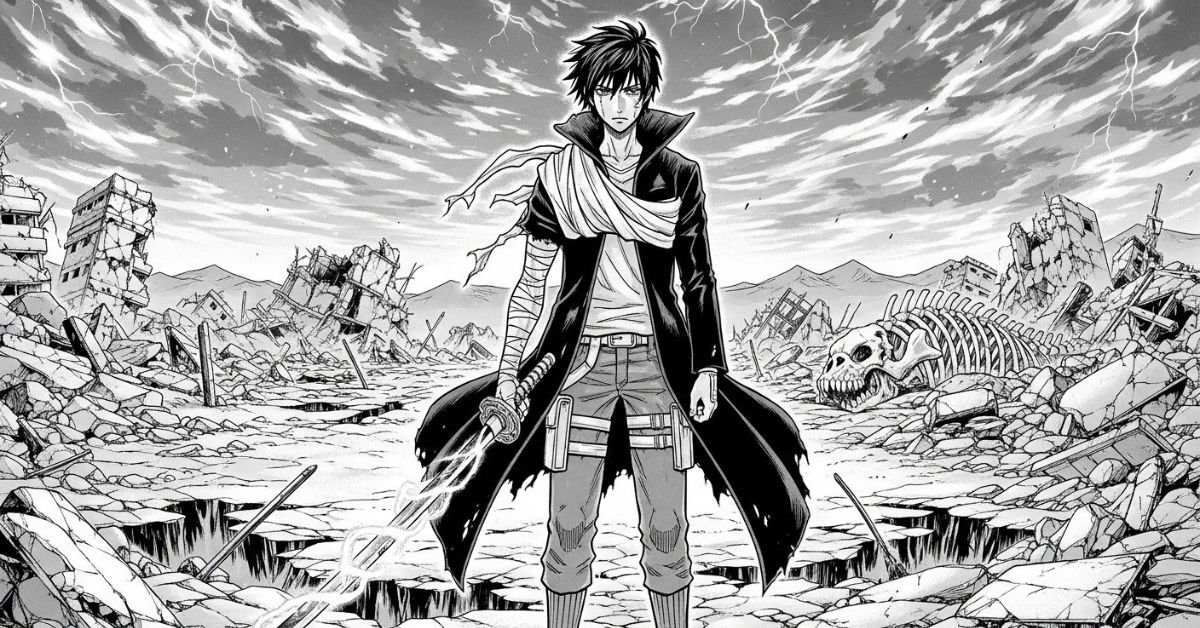
Unlike typical fantasy or isekai stories that begin with a hero entering a new world, this narrative flips expectations. The protagonist does not start in a place of opportunity. Instead, he comes from a world that has already been destroyed. This detail is not just background—it defines everything about him.
The story introduces a man who has witnessed the collapse of civilization, the death of countless lives, and the ultimate failure of humanity to survive. He is not a hopeful hero; he is a survivor shaped by loss. When he transitions into a new world, he does not arrive with curiosity or excitement. He arrives with experience, trauma, and unmatched combat ability.
This contrast immediately sets the tone. The new world may still be intact, but through his eyes, it already feels fragile.
The Rise of the Sword God
The title itself suggests dominance, and the protagonist lives up to it. His mastery of the sword is not something he learns gradually. It is the result of endless battles fought in a world where survival depended on strength alone.
However, what makes his character compelling is not just power. It is the way he uses it. Unlike typical overpowered protagonists who seek glory or recognition, he operates with a sense of detachment. Fighting is not a choice for him; it is a necessity ingrained in his identity.
As the story progresses, readers begin to understand that his strength is both a gift and a burden. He carries the weight of a destroyed world, and every battle in the new one feels like an echo of what he has already endured.
Psychological Depth and Emotional Layers
One of the strongest aspects of this manhwa is its focus on psychological realism. The protagonist is not emotionally expressive in a traditional sense, yet his silence speaks volumes. His actions, decisions, and reactions reveal a mind shaped by extreme circumstances.
There is a constant tension between his past and present. He struggles to adapt to a world that has not yet experienced the horrors he has seen. This creates moments of internal conflict where he questions whether his methods, which were necessary before, are still justified now.
The story does not rush these elements. Instead, it allows readers to slowly uncover the emotional complexity of the character. This approach adds depth and keeps the narrative engaging beyond just action sequences.
World-Building and Setting
The new world in the story is not simply a backdrop. It is carefully constructed with its own rules, power systems, and societal structures. While it may initially appear similar to other fantasy settings, the presence of the protagonist changes how the world is perceived.
Through his perspective, even ordinary events feel tense. Situations that others consider manageable are treated with caution, because he understands how quickly things can spiral into chaos. This perspective adds a layer of realism and unpredictability.
The world-building also introduces various factions, challenges, and threats that gradually expand the scope of the story. Each new development feels connected to the larger narrative rather than being random obstacles.
Action That Feels Meaningful
Action is a major component of the series, but it is never empty. Every fight serves a purpose, whether it is to reveal character traits, advance the plot, or highlight the stakes involved.
The combat sequences are intense and often brutal, reflecting the protagonist’s background. There is a sense of urgency in each battle, as if every moment could be the difference between survival and destruction.
What sets these scenes apart is the emotional context behind them. The protagonist does not fight for entertainment or pride. He fights because he understands the consequences of failure. This makes each encounter feel significant and impactful.
Themes That Drive the Narrative
Beneath the surface, the story explores several deeper themes. Survival is a constant element, but it is examined from a more nuanced perspective. It is not just about staying alive; it is about what one becomes in the process.
The concept of identity also plays a central role. The protagonist is caught between two worlds—the one he lost and the one he now inhabits. This duality influences his decisions and shapes his interactions with others.
Another important theme is the idea of second chances. The new world represents an opportunity, but it is not a simple reset. The past cannot be erased, and the protagonist must navigate the future while carrying the weight of his experiences.
Why Mangabuddy Readers Are Drawn to It
Platforms like Mangabuddy have made it easier for readers to discover unique and unconventional stories. The Sword God From the Destroyed World stands out because it offers more than just familiar tropes.
Readers are drawn to its darker tone, its complex protagonist, and its ability to balance action with emotional depth. It appeals to those who want a story that challenges expectations rather than following a predictable formula.
The accessibility of the series on such platforms also contributes to its growing popularity. As more readers engage with it, discussions and interpretations continue to expand, further increasing its reach.
Strengths and Limitations
The series excels in character development, atmosphere, and storytelling depth. Its willingness to explore darker themes and avoid clichés gives it a unique identity. The protagonist’s complexity is a major strength, as it keeps readers invested in his journey.
However, the pacing may feel slow to some readers, especially those expecting constant action. The emphasis on internal conflict and gradual development requires patience. Additionally, the heavy tone may not appeal to those looking for light or comedic content.
Despite these aspects, the overall quality of the narrative remains strong, making it a worthwhile read for those who appreciate depth and intensity.
Read Also! Growth Type Superhero MangaBuddy – Story Overview & Reader Guide
Final Thoughts
The Sword God From the Destroyed World is more than just another action-driven manhwa. It is a story about survival, identity, and the lasting impact of trauma. Through its powerful protagonist and carefully crafted narrative, it offers an experience that is both engaging and thought-provoking.
For readers exploring it on Mangabuddy, the series provides a refreshing alternative to more conventional titles. It challenges assumptions, builds tension through character and story rather than spectacle alone, and delivers a narrative that stays with you long after reading.
In a genre often dominated by repetition, this manhwa proves that there is still room for originality and depth. It is not just about a sword god conquering a new world—it is about a man learning to exist in one after losing everything.