Portable monitors have become indispensable tools for students, professionals, gamers, and frequent travelers who want an additional screen without the hassle of bulky equipment. Whether it’s a 19-inch 144Hz monitor, a 22-inch computer monitor, or a bright and vibrant high brightness monitor for outdoor use, portable displays are more powerful and more versatile than ever before.
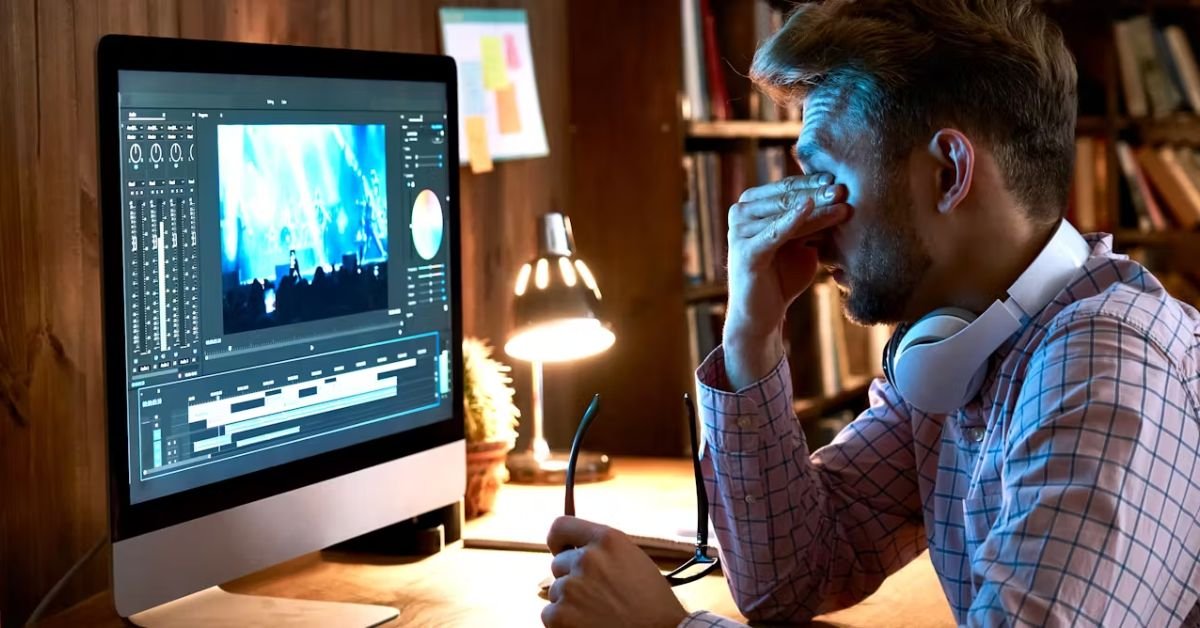
But as portable screens become more popular, many users have a common concern: Can long hours in front of a portable monitor lead to dry or irritated eyes?
The short answer is: yes. Staring at digital screens for extended periods, including portable monitors, can contribute to digital eye strain which presents as dryness, irritation, and sometimes even headaches. However, the portability of these monitors actually gives you more flexibility to prevent these issues if you know how to use them right.
In this article, we’ll explain how portable monitors cause eye discomfort, what types of portable displays reduce eye strain, and practical tips to protect your vision while staying productive.
Contents
- 1 Why Portable Monitors Can Cause Dry or Irritated Eyes
- 2 How Different Types of Portable Monitors Affect Eye Comfort
- 3 Signs You May Be Experiencing Eye Irritation from Portable Monitor Use
- 4 Tips to Reduce Dry or Irritated Eyes When Using a Portable Monitor
- 4.1 1. Follow the 20-20-20 Rule
- 4.2 2. Position the Screen Correctly
- 4.3 3. Adjust Brightness and Contrast Properly
- 4.4 4. Use Blue Light Reduction Tools
- 4.5 5. Ensure Good Lighting
- 4.6 6. Blink More Consciously
- 4.7 7. Buy a Monitor with Eye-Friendly Features
- 4.8 Do High Refresh Rate Monitors Reduce Eye Strain?
- 4.9 Do Larger Screens Help Prevent Eye Dryness?
- 4.10 Are Mini-LED or High Brightness Monitors Better for Your Eyes?
- 5 Frequently Asked Questions (FAQs)
- 6 Conclusion
Why Portable Monitors Can Cause Dry or Irritated Eyes
Dry or irritated eyes are usually the result of a condition known as Digital Eye Strain (DES), also called Computer Vision Syndrome (CVS). Portable monitors are not harmful by themselves, but several factors related to the way people use them can increase the risk of developing discomfort:
1. Prolonged Staring Time
The primary reason your eyes get irritated while using any display, including a portable one, is because they are designed to do a single thing: focus.
Once you get an extra screen on your desk, your productivity goes up significantly — and so does the time you spend staring at it.
The reality is that most users don’t consciously think about work, games, or videos taking more hours than usual. Even though the screen is portable, it gets used just as much if not more than your laptop or desktop.
2. Infrequent Blinking
- We blink to keep our eyes lubricated.
- On average, a person blinks 50% less while using digital screens.
- In other words, staring at your portable monitor directly translates to drier eyes.
3. Improper Display Brightness Settings
A display that is either too bright or too dim can also add to eye irritation.
Some high brightness monitor that offer excellent outdoor visibility may be difficult to use indoors if they’re cranked to maximum brightness.
4. Improper Display Size and Position
Portable monitors can be placed at pretty much any angle around your workspace. That’s good, because it means you’re not stuck with one fixed position. But at the same time, this also means most users end up placing them:
- too low on their desk
- too close to their faces
- at awkward angles
All these factors contribute to eye strain and overuse.
5. Blue Light Exposure
Too much exposure to blue light emitted from digital screens can cause a range of issues like:
- dryness
- headaches
- difficulty focusing
- sleep disruption
How Different Types of Portable Monitors Affect Eye Comfort
Not all portable monitors impact your eye comfort the same way. Some types of portable displays actually help reduce eye strain due to smoother refresh rates, more nuanced brightness control, and sharper picture quality.
Below, we’ve compared three of the most common types of portable monitors and their features.
Table: Eye Comfort Comparison Across Portable Monitor Types
| Portable Monitor Type | Eye Comfort Features | Potential Eye Strain Risks | Best Use Scenario |
| 19-inch 144Hz monitor | High refresh rate reduces motion blur, smoother playback, great for gamers and fast tasks | Brightness may be high for indoor use; long gaming sessions reduce blinking | Gaming, fast-paced work, animation |
| 22-inch computer monitor | Larger screen equals less squinting; can maintain proper distance easily | Users may place it too close due to portability; extended work hours can cause dryness | Productivity, office tasks, presentations |
| High brightness monitor (Mini-LED) | Excellent clarity outdoors; handles glare and reflection well | High brightness can feel harsh indoors if not adjusted | Outdoor work, field tasks, travel |

Signs You May Be Experiencing Eye Irritation from Portable Monitor Use
If you use a portable monitor for long stretches, look out for:
- Burning or itching sensation
- Dryness or watery eyes
- Blurred vision
- Headaches
- Difficulty concentrating
- Feeling like you need to rub your eyes frequently
If you experience any of these symptoms often, it’s time to change your viewing habits.
Tips to Reduce Dry or Irritated Eyes When Using a Portable Monitor
Portable monitors offer unique ergonomic freedom. With the right practices, you can significantly reduce eye discomfort.
1. Follow the 20-20-20 Rule
Every 20 minutes:
- Look at something 20 feet away for 20 seconds.
- This simple habit can drastically reduce eye strain.
2. Position the Screen Correctly
Ideal screen position:
- The top of the monitor is at or slightly below eye level.
- The monitor is placed 20 to 28 inches away from the face.
- Slight downward tilt (10–20 degrees)
Portable monitors are inherently more flexible, so take advantage of adjustable stands or foldable mounts. Properly positioning a 19 inch 144Hz monitor at eye level helps reduce unnecessary eye movement and prevents strain during long sessions.
3. Adjust Brightness and Contrast Properly
Brightness should match the surrounding environment.
- Indoors: medium brightness
- Outdoors with glare: use the high brightness monitor’s features
- Nighttime: enable warm low-light mode
Avoid using a high brightness monitor at full brightness indoors—it will irritate your eyes faster.
4. Use Blue Light Reduction Tools
Most modern monitors come with:
- Reading mode
- Low blue light mode
- Eye-care preset
- Warm color filters
If not, use system-wide tools like Windows Night Light or f.lux.
5. Ensure Good Lighting
Always avoid:
- Direct reflections
- Strong overhead lights
- Using a monitor in complete darkness
A small desk lamp or ambient lighting can greatly reduce eye strain.
6. Blink More Consciously
We blink less when we stare at screens.
So when using a portable monitor:
- Blink fully and slowly every few minutes
- Use artificial tears if needed
- Avoid staring continuously without breaks
7. Buy a Monitor with Eye-Friendly Features
When shopping for a new portable monitor, consider these features:
- Flicker-free panel
- Low blue light certification
- Matte or anti-glare coating
- Adjustable brightness
- High refresh rate (like a 19-inch 144Hz monitor)
- High resolution for sharper text
These features make it easier on the eyes during long working hours.
Do High Refresh Rate Monitors Reduce Eye Strain?
Yes.
A high refresh rate (like a 19-inch 144Hz monitor) provides smoother visuals, reducing motion blur and flickering — both significant contributors to eye fatigue during fast movements or heavy content switching.
This can be especially important for gaming or detailed graphics work, as it reduces discomfort.
Do Larger Screens Help Prevent Eye Dryness?
Yes, as well. A larger 22-inch computer monitor provides:
- A more comfortable viewing area
- Larger text
- Less need to squint
- Easier posture alignment
This can help with dryness caused by over-focusing on small content.
Are Mini-LED or High Brightness Monitors Better for Your Eyes?
Yes, but only outdoors or in brightly lit rooms. Indoors, overly strong brightness can overwhelm your eyes. Always adjust these monitors to medium levels unless sunlight or environmental glare requires max brightness.
Frequently Asked Questions (FAQs)
1. Can portable monitors cause long-term eye damage?
No. Digital eye strain can cause discomfort but will not cause permanent damage. The risks are completely eliminated with proper habits.
2. Are portable monitors worse than regular monitors for the eyes?
No, they are not. Eye strain comes from usage habits, not the device itself. Many portable monitors today even include eye-care presets that are available in standard desktop monitors.
3. How long is it safe to use a portable monitor without a break?
Try to take a short break every 20 to 30 minutes. Continuous hours of non-stop use increase dryness levels significantly.
4. Do high refresh rate monitors really reduce eye irritation?
Yes. Smoother movements (144Hz or higher) result in less flicker and make long sessions much more comfortable.
5. Will using a high brightness monitor indoors harm my eyes?
Not harm, but it can cause fatigue and dryness if the brightness is too high. You should always adjust brightness according to your surrounding environment.
6. Should I use artificial tears if I work for long hours?
Yes, if your eyes feel dry. Artificial tears are safe and highly recommended by most eye specialists.
7. Can portable monitors help with multitasking without increasing eye strain?
Definitely. Portable monitors, with the proper height, distance, and brightness, help you work faster without overloading your eyes.
Conclusion
Portable monitors of any kind — a high refresh rate 19-inch 144Hz monitor, a spacious 22-inch computer monitor, or a bright outdoor-ready high brightness monitor — are some of the most useful devices in your digital setup.
They can cause dry or irritated eyes if used for long periods, but the issue is not the portable monitor itself but how you use it.
Adjusting brightness, proper screen positioning, taking regular breaks, and using eye-friendly features go a long way in letting you enjoy hours and hours of productivity or entertainment with minimal discomfort.
Portable monitors can supercharge your workflow without sacrificing eye comfort if used properly.