Introduction
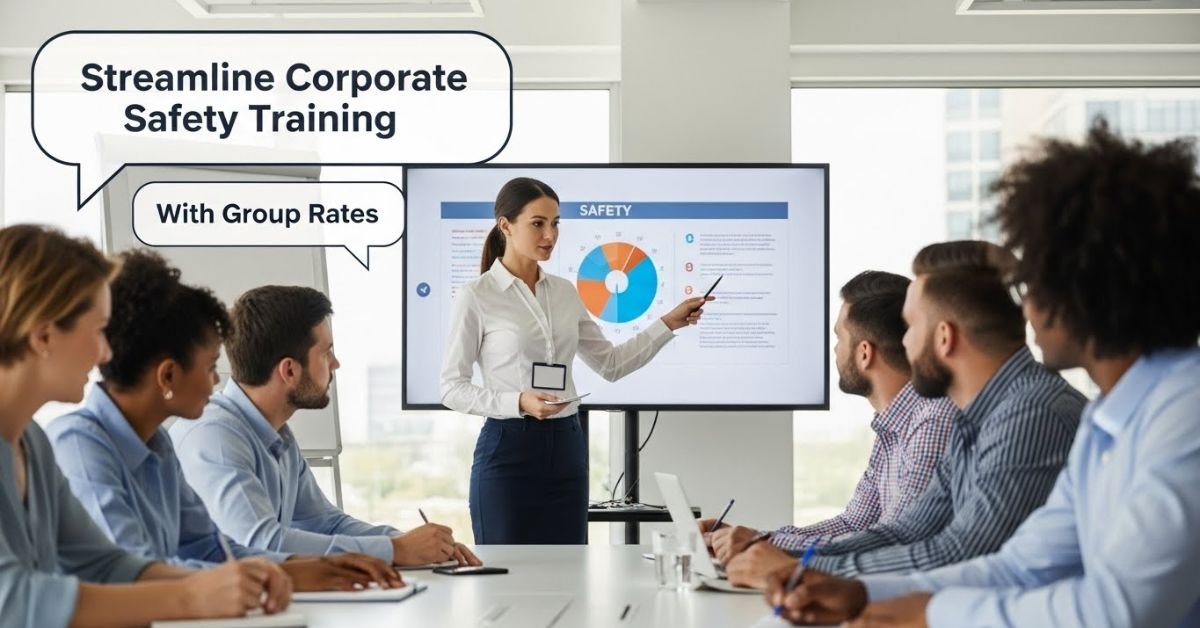
Maintaining workplace safety is a top priority for companies of all sizes. From offices to manufacturing plants, employees must be prepared to respond effectively during emergencies. CPR and first aid training is essential, but coordinating individual sessions can be time-consuming and expensive. Group discounts make corporate safety training more efficient, affordable, and impactful.
Why Corporate Safety Training Matters
Workplace emergencies can happen anytime. Proper training ensures:
- Quick response: Employees act immediately during injuries or medical events
- Reduced risks: Knowledge of first aid prevents accidents from escalating
- Compliance: Meet OSHA and workplace safety regulations
- Employee confidence: Staff feel prepared and capable in emergencies
Investing in safety training protects employees, visitors, and the company itself.
Benefits of Group CPR and First Aid Training
Group training provides several advantages over individual sessions:
- Cost savings: Group rates reduce overall expenses
- Consistent training: All employees learn the same skills and procedures
- Team cohesion: Training together encourages collaboration and mutual support
- Efficient scheduling: Multiple employees can be trained at once
- Flexibility: Sessions can be adapted to specific workplace environments
Group discounts streamline corporate safety initiatives while maximizing impact.
Key Elements of Effective Group Training
For group sessions to be successful, focus on:
- Practical demonstrations: Hands-on exercises with mannequins and equipment
- Interactive learning: Quizzes, role-playing, and scenario-based exercises
- Clear communication: Ensure all employees understand procedures
- Tailored content: Adapt training to the specific needs of the workplace
- Certification: Provide proof of completion for each participant
These elements ensure that employees gain both knowledge and confidence.
How Group Rates Help Companies
Investing in group training reduces barriers to widespread safety preparedness:
- Budget-friendly: More employees trained without exceeding budget limits
- Time-efficient: Conduct multiple sessions in one day or online simultaneously
- Improved retention: Learning in groups reinforces understanding
- Encourages participation: Employees are more likely to attend when offered collectively
Group rates make it easier for companies to train large teams effectively.
Steps to Implement Group Safety Training
- Assess workplace needs
- Identify which employees require training
- Determine the types of emergencies most likely in your workplace
- Select a training provider
- Choose a reputable organization that offers group rates and flexible sessions
- Ensure instructors are certified and experienced
- Schedule sessions
- Consider in-person or online formats
- Coordinate times to minimize disruption to workflow
- Promote employee engagement
- Communicate the importance of participation
- Encourage questions and interaction during sessions
- Track completion and certification
- Maintain records of employees trained
- Ensure certificates are up to date and accessible
Following these steps ensures a smooth and effective training program.
Online Group Training Advantages
- Flexibility: Employees can learn at their own pace
- Accessibility: Teams in multiple locations can join simultaneously
- Interactive modules: Videos and simulations reinforce learning
- Immediate certification: Receive proof of completion quickly
Online programs make it easy to train large teams efficiently without logistical challenges.
Maintaining Safety Skills Over Time
- Refresher courses: Reinforce critical skills periodically
- Regular drills: Practice real-life scenarios to maintain readiness
- Stay updated: Follow the latest safety guidelines and regulations
- Encourage peer support: Employees can review techniques together
Regular practice ensures employees remain confident and prepared.
Common Misconceptions About Corporate Safety Training
- Myth: Training is too expensive.
Fact: Group discounts make training cost-effective for large teams. - Myth: Employees won’t retain skills in group sessions.
Fact: Hands-on and interactive learning improves retention significantly. - Myth: Only high-risk workplaces need CPR and first aid training.
Fact: Every workplace benefits from having trained personnel.
Understanding the facts encourages investment in effective safety training programs.
Conclusion
Corporate safety training is vital to protect employees and maintain compliance with workplace regulations. Offering CPR and first aid training through group sessions provides cost savings, efficiency, and consistent skill development. https://cprcertificationnow.com/pages/group-discounts simplify the process, allowing companies to train larger teams without exceeding budgets.