How Japanese Pop Culture is Influencing Modern Literature Studies in the UK
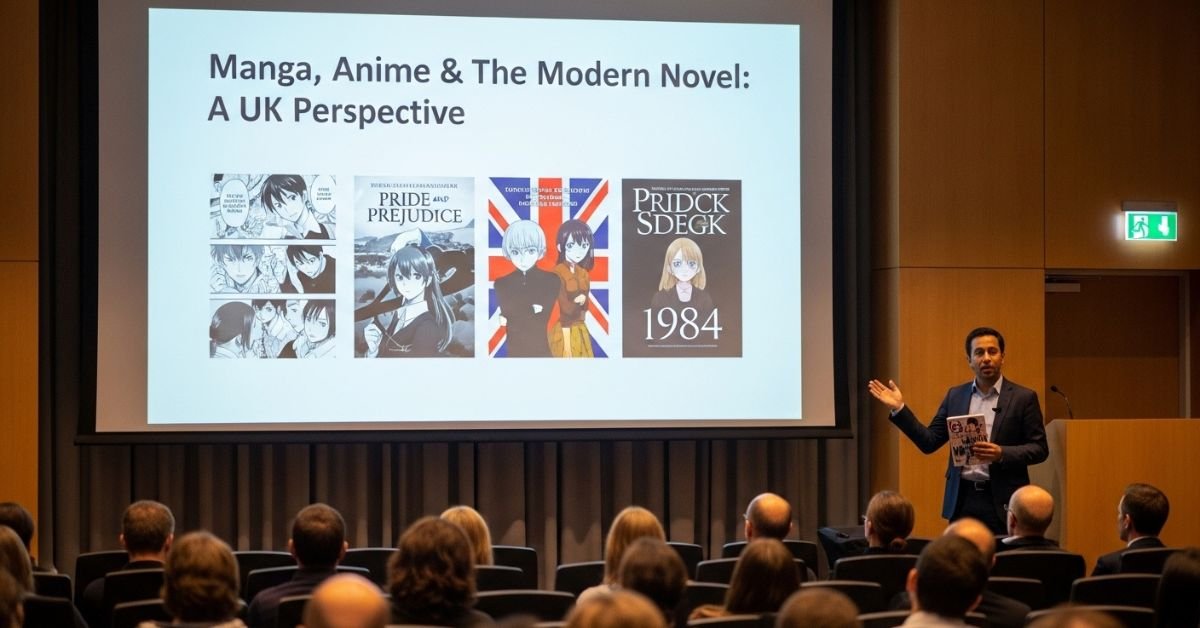
The landscape of British education is shifting. If you walk into a university library in London, Manchester, or Edinburgh today, you might find a student deeply engrossed in a classic Dickens novel. However, right next to them, another student is likely analyzing the intricate narrative panels of a Japanese Manga or the philosophical undertones of a Studio Ghibli masterpiece. What was once dismissed as “niche” entertainment is now a formidable pillar of modern literature studies across the United Kingdom.
Japanese pop culture—spanning Manga, Anime, and Light Novels—has transcended its status as a hobby. It is now a legitimate academic subject, reshaping how we understand storytelling, visual literacy, and cross-cultural exchange. For many students navigating these complex new modules, the transition from traditional prose to multimodal texts can be challenging, often leading them to seek a professional Assignment Writing Service UK to help articulate these modern themes effectively.
The Evolution of the “Text” in British Classrooms
For centuries, “Literature” in the UK meant the written word—Shakespeare, the Romantics, and the Great Post-War novelists. But the digital age has expanded our definition of a “text.” Modern literature courses now emphasize semiotics—the study of signs and symbols. Manga, with its unique blend of iconography and dialogue, offers a perfect case study for this.
UK universities are increasingly recognizing that the “reading” of a page in a Manga like Monster or Vinland Saga requires just as much critical thinking as a traditional poem. You have to interpret the “gutters” (the space between panels), the atmospheric speed lines, and the non-verbal cues of the characters. This shift isn’t just about making classes “fun”; it’s about preparing students for a world where information is increasingly visual.
Manga as the New “Gothic” and “Epic”
One of the reasons Japanese pop culture resonates so deeply with the UK curriculum is its shared DNA with classic literary tropes. Many popular Japanese series mirror the “Hero’s Journey” found in Beowulf or the dark, psychological explorations found in 19th-century Gothic horror.
Take, for instance, the dark fantasy elements in Attack on Titan or Fullmetal Alchemist. These stories deal with heavy themes: the cost of war, the ethics of science, and the cyclical nature of hatred. When a student compares the tragic hubris in Macbeth to the downfall of a modern Manga anti-hero, they are engaging in high-level comparative literature.
However, writing a 5,000-word analysis on the intersection of Shintoism and British Romanticism isn’t easy. It requires a deep dive into cultural nuances that many undergraduates find daunting. This is why specialized dissertation help has become a vital resource for final-year students looking to break new ground in this emerging field of “Global Pop Culture Studies.”
Breaking the Language Barrier: The Rise of Translation Studies
The influence of Japan on UK literature isn’t just about the stories themselves, but how they are translated. Translation is an art form, especially when moving between languages as different as Japanese and English.
In UK lecture halls, students are now debating the merits of “localization” versus “literal translation.” Should a Japanese honorific like -chan or -sama be kept to preserve cultural integrity, or should it be adapted for a British audience? These debates are at the heart of modern Linguistics and Translation modules. They teach students that language is fluid and that every choice a translator makes is a literary act in itself.
The “Ghibli Effect” on Environmental Literature
One cannot discuss Japanese influence without mentioning the profound impact of Hayao Miyazaki’s films on “Ecocriticism”—the study of literature and the environment. In an era where climate change is a central theme in British education, the animistic and nature-focused narratives of Princess Mononoke or Nausicaä of the Valley of the Wind provide a fresh perspective.
While Western literature often portrays nature as something to be conquered or preserved as a “wilderness,” Japanese pop culture often depicts a complex, symbiotic, and sometimes terrifying relationship between humans and the spirit of the land. This has sparked a new wave of “Green Literature” studies across UK campuses, blending traditional environmental essays with modern media analysis.
Why This Matters for the Future of UK Education
The inclusion of Japanese pop culture in the UK curriculum is a sign of a healthy, evolving educational system. It acknowledges that great storytelling isn’t confined to a specific geography or a specific format. By studying Manga and Anime alongside the Brontë sisters, students gain a more globalized worldview.
They learn to identify universal human emotions—loneliness, ambition, love, and sacrifice—through a different cultural lens. This diversity of thought is exactly what modern employers are looking for: the ability to analyze complex data from multiple cultural perspectives.
Navigating the Academic Challenges
As exciting as these subjects are, they come with high academic expectations. Professors aren’t looking for “fan reviews”; they want rigorous, evidence-based arguments. Balancing the enthusiasm of a fan with the discipline of a scholar is a tightrope walk.
For students struggling to find the right academic tone or those buried under a mountain of research papers, finding a balance is key. Using a reliable Assignment Writing Service UK can help students structure their thoughts, ensuring that their passion for the subject is backed by solid academic frameworks and proper referencing.
Conclusion
The “Cool Japan” phenomenon has done more than just sell merchandise; it has changed the way we think about the “Classics.” As we move further into the 21st century, the boundary between “high art” and “pop culture” will continue to blur.
British students are leading the charge in this cultural synthesis, proving that you can appreciate the complexity of a Japanese Light Novel just as much as a Virginia Woolf essay. As long as we keep asking “Why does this story matter?”, the study of literature will remain vibrant, relevant, and global.